h1Watercolor Ribbon Clipart: A Designer’s Honest Embroidery Review/h1
h2First Impressions: Soft, Artistic, and Versatile/h2
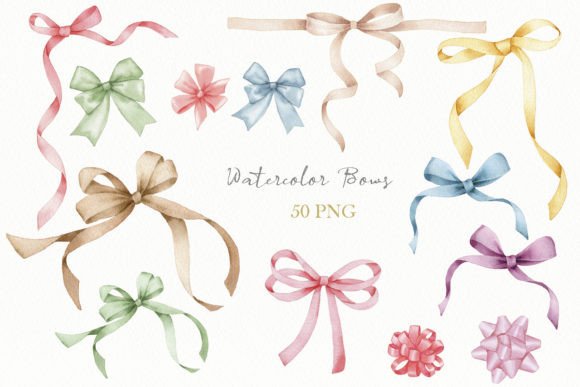
pWhen I first opened the Watercolor Ribbon Clipart file, I was immediately drawn to its painterly quality. The soft edges and blended hues give it a gentle, artistic mood that feels both modern and nostalgic. It’s the kind of design that works well across a range of projects—from baby embroidery to boutique tote bags. The ribbon motif is fluid and elegant, with a slightly whimsical touch that makes it feel handmade, even before it’s stitched./p
pThe layout is balanced, with enough negative space to prevent it from feeling cluttered. It’s not overly detailed, which is a plus for machine embroidery, where too many fine lines can cause stitching issues. The watercolor effect adds depth without complicating the stitch path, which is a win for both beginner and experienced embroiderers./p
h2Real-World Use: From Tote Bags to Baby Clothes/h2
pI tested the Watercolor Ribbon Clipart on a few different fabric types to see how it would translate in real-life embroidery situations. On a medium-weight cotton tote bag, it stitched cleanly and held its shape beautifully. The satin and fill stitches blended well, and the overall effect was soft but defined. It’s the kind of design that would elevate a simple handmade product into something gift-worthy./p
pNext, I tried it on a stretchy baby onesie. Here, I made sure to use a lightweight stabilizer and a soft tear-away backing. The result was surprisingly clean—no puckering or distortion, even around the ribbon curves. The watercolor look softened the overall appearance, making it ideal for delicate items like baby clothes or nursery decor./p
pI also stitched it onto a dark cotton tea towel, using a light thread palette to mimic the original color scheme. It stood out nicely, though I did notice that the contrast made some of the finer details a bit harder to read. Still, it held up well and gave the kitchen linen a boutique feel that Etsy sellers or craft fair vendors would appreciate./p
h2Where to Use It Carefully: Fabric and Fit Matter/h2
pWhile the Watercolor Ribbon Clipart performed well in most situations, there are a few use cases where caution is warranted. On very thin or loosely woven fabrics, the design’s soft edges can get lost or distorted. I’d recommend testing it on a similar fabric first or adjusting the stitch density slightly to ensure clarity./p
pDark fabrics can also mute the watercolor effect unless you choose contrasting thread colors carefully. I found that using white or pastel threads helped maintain the intended softness, but if you’re aiming for a more vibrant look, you may need to tweak the palette or add a subtle outline to define the ribbon shape./p
pThis design isn’t ideal for very small hoop sizes. The ribbon curves and blended strokes lose definition when scaled down, especially if you’re stitching on textured or stretchy materials. If you’re planning to use it on a curved surface like a baseball cap or a small patch, consider simplifying or resizing to ensure legibility./p
h2How It Affects Your Finished Product/h2
pOne of the biggest strengths of the Watercolor Ribbon Clipart is its visual appeal. It brings a subtle sophistication to handmade items without being too formal. This makes it perfect for personalized gifts, boutique branding, or Etsy listings where a clean but artistic look is desired./p
pFrom a customer perspective, this design adds value. It reads as high-quality and intentional, which can help justify a higher price point for your finished product. Whether you’re embroidering a custom sweatshirt or creating a digital embroidery file for other sellers, this design helps elevate the overall presentation./p
pIt also works well for brand consistency. Because of its soft, versatile style, it can be used across multiple product lines—from baby items to holiday gifts—without feeling out of place. That’s a big plus for small shop owners or digital product sellers looking to build a cohesive visual identity./p
h2Practical Designer Notes: Test Before You Commit/h2
pBefore using the Watercolor Ribbon Clipart in a client project or for resale, I always recommend doing a few test runs. Start with a scrap piece of the same fabric you’ll be using for your final product. This helps you catch any issues with stitch density, thread color contrast, or clarity before you commit./p
pCheck how the design performs on both light and dark backgrounds. You may need to adjust the thread colors or add a light outline to ensure visibility. Also, test it in black and white mockups to see how it holds up in grayscale—this is especially important for digital product previews or printable mockups./p
pMake sure you’re using the right stabilizer for your fabric type. A lightweight tear-away works well for most cottons, but for stretchy or textured materials, you might need a cut-away or a lightweight fusible. Always hoop with stabilizer underneath to prevent shifting or distortion during stitching./p
pIf you’re selling finished items or digital embroidery files, double-check the licensing terms for the Watercolor Ribbon Clipart. Make sure it allows for commercial use and resale of physical products or digital assets. If the license isn’t clear, reach out to the seller for confirmation before listing your product./p
h2Final Thoughts: A Thoughtful Addition to Your Design Kit/h2
pThe Watercolor Ribbon Clipart is a versatile, well-constructed design that works well in a variety of embroidery applications. Its soft, artistic look makes it ideal for boutique products, personalized gifts, and digital embroidery files aimed at creative entrepreneurs. It stitches cleanly, holds up well on different fabrics, and offers a professional finish without being overly complex./p
pThat said, it’s not a one-size-fits-all solution. Like any embroidery design, it has its limitations—especially when it comes to small hoop sizes, textured fabrics, or dark backgrounds. But with a little planning and testing, it can be a valuable asset in your embroidery project toolkit./p
pFor Etsy sellers, crafters, and small business owners, this design is worth considering if you’re looking to add a touch of soft elegance to your handmade items or digital product offerings. It’s not just a pretty illustration—it’s a functional, adaptable embroidery file that can help elevate your work and connect with your audience./p