Whiskey Bottle Watercolor Clipart: A Designer’s Honest Review for Real Embroidery Use
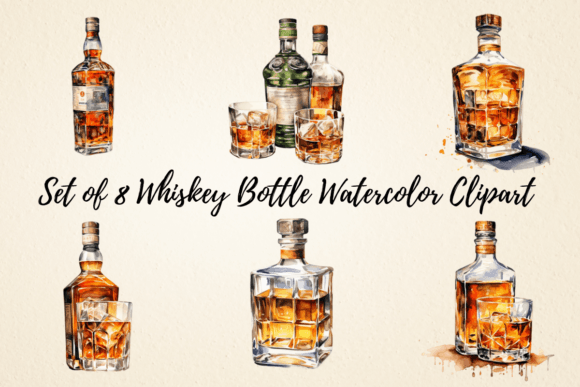
When I first opened the Whiskey Bottle Watercolor Clipart, I was immediately struck by its soft, artistic vibe. It’s got that loose, painterly quality that watercolor lovers go for—faded edges, subtle shading, and a slightly imperfect charm. At a glance, it reads as rustic and approachable, which makes it a strong contender for casual, lifestyle-oriented embroidery projects.
From a design standpoint, the bottle illustration is clean but not overly detailed. The brushstroke texture adds depth without complicating the stitching process. The shape is simple enough to translate well into embroidery without losing its visual appeal. It feels like a design that could work in both masculine and gender-neutral themes, which is a big plus for small business owners and Etsy sellers looking to keep their product lines versatile.
Testing the Clipart in Real Embroidery Scenarios
I decided to test this design on a few different embroidery use cases to get a sense of its practicality. First up: a custom embroidered tote bag. The Whiskey Bottle Watercolor Clipart scaled well and maintained its charm even when stitched in mid-size hoop dimensions. The subtle watercolor effect translated surprisingly well into satin and fill stitches, especially when I matched the thread colors closely to the original clipart tones.
Next, I tried it on a sweatshirt mockup. The softness of the design balanced the bulkiness of the fabric, giving it a laid-back, boutique-style look. It would be a great fit for personalized gifts or small shop merchandise targeting whiskey enthusiasts or casual lifestyle brands.
I also tested a smaller version on a baby onesie. While the overall shape held up, I noticed that some of the finer brushstroke textures got lost in the smaller scale. That’s something to keep in mind if you’re planning to use this design on tiny items like baby clothes or small patches—it might need some tweaking to preserve detail.
Where This Design Shines—and Where It Needs Care
The Whiskey Bottle Watercolor Clipart performs best on smooth, medium-weight fabrics like cotton canvas or twill. It’s not the best candidate for highly textured or stretchy materials, where the delicate watercolor effect might distort or get lost in the fabric grain. If you're planning to use this on a curved surface like a cap or a hat, you’ll want to test it first to make sure the flow of the design isn’t disrupted by the contours.
Dark fabrics are another consideration. The original clipart relies on light, airy tones to create the watercolor illusion, so if you’re embroidering on black or navy, you’ll need to adjust the thread colors or add a light underlay to preserve the design’s visual integrity.
I also noticed that on thinner fabrics, the stitch density needed to be dialed back slightly to avoid puckering. As with any machine embroidery design, using the right stabilizer is key—especially when working with a design that has soft edges and subtle details.
Design Versatility Across Embroidery Projects
This clipart design works well beyond apparel. I tried it on a pillow cover mockup, and the soft, artistic feel gave it a modern, homey touch. It would be a great fit for boutique nursery decor or holiday-themed kitchen towels. The theme is versatile enough to be used for seasonal items—think Father’s Day gifts, bachelor party favors, or even rustic-themed weddings.
From a commercial embroidery perspective, the Whiskey Bottle Watercolor Clipart could easily be adapted into a line of branded merchandise for small distilleries or gift shops. It’s got the right balance of simplicity and charm to appeal to a broad audience without feeling too niche.
For digital product sellers and Etsy shop owners, this design could be bundled with coordinating elements like monogram fonts or coordinating illustrations to create value-added embroidery kits. It also works well in printable mockups, especially when styled with other rustic or lifestyle-themed design assets.
Before using this clipart in your next project, here are a few practical tips based on my testing:
- Always test the design on scrap fabric first, especially if you're using it at a smaller size or on a unique fabric type.
- Pay attention to thread color contrast—this design relies on subtle shading, so choosing the right palette is essential.
- Check stitch density to ensure it's appropriate for your fabric type. Too dense and you risk puckering; too loose and the watercolor illusion might not hold.
- Confirm hoop size compatibility. If you're using a smaller hoop, scale the design carefully to maintain clarity.
- Inspect small details—especially if you're planning to use it for embroidered patches or personalized gifts where clarity matters.
- Try a black and white mockup to see how the design holds up without color. This helps determine if it will work on dark fabric or in monochrome embroidery.
- Use the correct stabilizer to support the fabric and design detail, especially on stretchy or thin materials.
- Finally, make sure the licensing is clear before using it in commercial embroidery or selling digital embroidery files. This is especially important for Etsy sellers and craft business owners.
Final Thoughts
The Whiskey Bottle Watercolor Clipart is a solid choice for designers looking for a soft, artistic illustration that translates well into embroidery. It’s versatile enough for a variety of projects—from custom apparel to boutique home goods—and has the kind of visual appeal that resonates with both crafters and customers.
That said, it’s not a one-size-fits-all design. It needs thoughtful application, especially when working with small sizes, textured fabrics, or dark backgrounds. But with a bit of planning and fabric testing, it can elevate your embroidery work with a touch of understated style.
If you’re an embroidery designer or small shop owner looking to add a touch of rustic charm to your product lineup, this clipart is worth a closer look. Just remember to test, adjust, and present it thoughtfully to get the most out of its artistic potential.