Watercolor Teapot Clipart for Sublimation: A Visual Designer’s Review
First Impressions: Soft, Artistic, and Lifestyle-Friendly
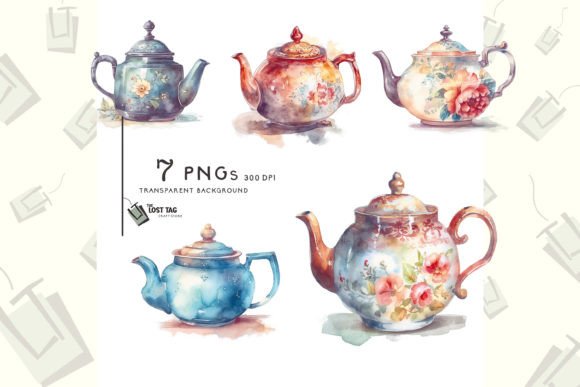
The first time I opened the Watercolor Teapot Clipart Sublimation pack, I was struck by its gentle, hand-painted aesthetic. This is not a bold or high-contrast design asset — it’s one that whispers elegance. The soft edges, muted tones, and organic brushstrokes immediately suggest a lifestyle, wellness, or creative niche. Think tea blogs, home décor sites, artisanal brands, or content around mindfulness and slow living.
From a design standpoint, it sets a warm, approachable tone. For publishers looking to build reader trust through visual comfort, this kind of illustration can make your content feel more human and less algorithm-driven.
Real Use Case: Blog Graphics That Feel Curated, Not Canned
I recently used this asset to design featured images for a series of blog posts about herbal teas and wellness rituals. Placed subtly in the corner of a hero image with light overlay text, the teapot illustration gave the layout a handcrafted editorial feel without overpowering the message.
Here’s where it shines:
- Pinterest graphics — its painterly texture draws attention on visual platforms
- Newsletter headers — adds personality without distracting from content
- Category thumbnails — helps users instantly recognize content themes
Supporting Content Performance with Visual Identity
As a blog designer, I’m always looking for design assets that help content perform better. This teapot illustration supports visual consistency across multiple formats, which is key for:
- Brand identity — repeated use builds recognition
- Visual hierarchy — guides the eye without clutter
- Click-through potential — makes thumbnails more inviting
When used across a content ecosystem — from social media graphics to digital guides — this kind of graphic design asset creates a cohesive look that readers begin to associate with your brand.
Where It Works Best: From Hero Images to Content Upgrades
This design asset is versatile, but it performs best in specific publishing contexts:
- Hero images — adds a soft visual anchor
- Article thumbnails — recognizable and thematic
- Lead magnet visuals — enhances downloadable resources
- Newsletter banners — makes email headers feel intentional
- Canva templates — ideal for creators building branded templates
Where to Use It Carefully: Matching Tone and Context
While the Watercolor Teapot Clipart Sublimation has a distinct charm, it’s not a one-size-fits-all solution. It may feel out of place in:
- Corporate or serious content — doesn’t convey authority or technical precision
- Text-heavy blog images — may reduce readability if not layered carefully
- Minimalist web designs — could clash with ultra-clean layouts
- Small mobile thumbnails — detail gets lost at tiny sizes
If you're in affiliate marketing or product review niches, you may want to pair this with stronger visual anchors to maintain a professional tone.
Practical Notes for Publishers and Designers
Before embedding this into your content marketing workflow, here’s what to test:
- Preview on mobile and desktop — check detail retention
- Layer with headline text — ensure legibility over the illustration
- Test in black and white — see if it still works without color
- Pair with different fonts — works best with script or handwritten styles
- Check file size — compress for faster page load times
- Verify commercial license — essential for monetized sites or digital products
Final Thoughts: A Thoughtful Addition to Your Design Toolkit
If you’re building a small business branding system, launching a digital download store, or designing a creative marketplace site, this illustration offers a gentle, artistic touch that can elevate your visual storytelling.
It’s not flashy — and that’s the point. The Watercolor Teapot Clipart Sublimation works quietly in the background, supporting your message while adding warmth and editorial polish. For publishers who understand that visual communication is as important as the words themselves, this is a design asset worth considering.