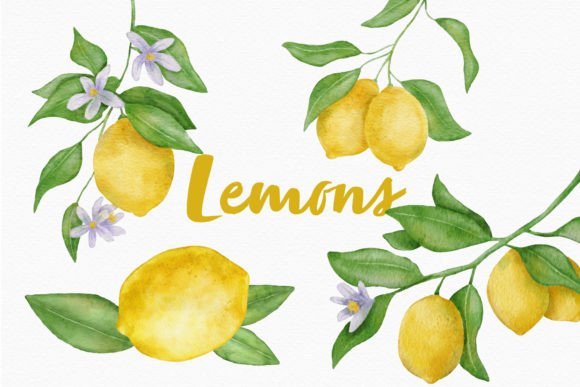
Lemon Watercolor Clipart Fruit Leaves Bring Artistic Flair to Blog Illustrations
First Impressions: Bright, Organic, and Editorial-Ready
As a blog designer who works with content creators across niches, my first reaction to Lemon Watercolor Clipart Fruit Leaves was immediate: this is a design asset that feels alive. The soft brushstrokes, natural color variations, and hand-painted texture give it a warm, organic appeal. It’s not just clipart—it’s an editorial mood. Whether you're building a lifestyle blog, a wellness newsletter, or a seasonal content guide, these illustrations feel like they belong in a curated visual story.
From a publishing perspective, the aesthetic leans toward the feminine, artistic, and lifestyle-focused. It’s perfect for food blogs, health and wellness sites, home décor content, or creative entrepreneurship platforms where visual storytelling is key. These illustrations don’t shout—they whisper elegance and authenticity.
Real Use Cases: From Pinterest Pins to Digital Guides
Let’s talk real publishing. When I received this set, I immediately thought of three key content types: blog featured images, Pinterest pins, and digital downloads. Here’s how they hold up:
- Blog Graphics: Placing Lemon Watercolor Clipart Fruit Leaves as a header accent or sidebar icon adds a touch of editorial polish. It pairs beautifully with light backgrounds and minimalist layouts.
- Pinterest Visuals: These illustrations are highly shareable. Their organic, seasonal look works especially well for food, DIY, and home-related content. They draw the eye without overwhelming the text overlay.
- Digital Guides & Lead Magnets:: When designing downloadable content like recipe cards, seasonal planners, or printable checklists, these graphics elevate the perceived value of your lead magnet. Readers notice the care in the design.
Other practical applications include newsletter banners, social media story templates, eBook covers, and even affiliate marketing visuals—especially for brands in the food, wellness, or lifestyle space. You can easily drop them into a Canva template and customize around them.
Supporting Content Performance with Visual Design
As a digital publisher, I’m always looking at how a graphic design asset impacts content performance. Here’s where Lemon Watercolor Clipart Fruit Leaves shine:
- Stronger First Impressions: The warm, natural tones and hand-drawn feel immediately set a welcoming tone for your content.
- Clearer Visual Hierarchy: Used as accent graphics or section dividers, these illustrations help guide the reader’s eye through the layout.
- Better Click-Through Potential: On Pinterest or social media, these visuals stand out in a feed. They feel curated, not generic.
- Consistent Branding: If your brand leans into organic, soft, or artisanal aesthetics, this set supports a cohesive visual identity across blog posts and promotional materials.
- Improved Reader Trust: Content that looks professionally designed builds credibility. These illustrations feel intentional, not thrown together.
Where These Illustrations Work Best
Here are the top placements where Lemon Watercolor Clipart Fruit Leaves perform exceptionally well:
- Hero Images: As background accents or floating elements in a hero section.
- Article Thumbnails: Especially when used as part of a seasonal or food-related post.
- Pinterest Graphics: Their visual warmth and texture make them stand out in search results.
- Blog Graphics: Great for headers, dividers, or sidebars in lifestyle, food, or wellness blogs.
- Newsletter Headers: Add a touch of elegance to your email campaigns.
- Social Media Previews: Perfect for Instagram Stories or Facebook posts that need a soft, artistic edge.
When to Use Them with Care
Despite their many strengths, these illustrations aren’t a one-size-fits-all solution. Here are situations where I’d recommend using them carefully:
- Small Mobile Thumbnails: The detail can get lost on tiny screens.
- Text-Heavy Blog Images: Watercolor textures can interfere with readability if text is placed directly over them.
- Low-Contrast Backgrounds: These illustrations work best with a light or neutral background to let them pop.
- Busy Layouts: Avoid using them in already complex designs where visual clarity is key.
- Serious Professional Niches: Think law, finance, or corporate content—they may feel out of place.
- Minimalist Websites: If your brand is ultra-clean and modern, this set might clash with your visual language.
Publisher Notes: Practical Tips for Real-World Use
Before you drop Lemon Watercolor Clipart Fruit Leaves into your next content project, here are some essential checks every digital publisher should run:
- Test on Desktop and Mobile: See how the illustrations render on both screen sizes.
- Preview as a Thumbnail: Ensure the key visual elements are still visible at smaller sizes.
- Place in a Real Blog Layout: Don’t just see them in isolation—embed them in your CMS or page builder to test real-world impact.
- Overlay Headline Text: Check legibility when text is placed over the graphics.
- Test Contrast and Readability: Make sure the images don’t interfere with content comprehension.
- Try in Black and White: Some watercolor textures lose impact when desaturated—test this for print or accessibility use cases.
- Pair with Different Fonts: Try them with serif, sans serif, script, and display fonts to see which combinations feel most editorially aligned.
- Review File Size: Large image files can slow down your site. Compress them for web use without sacrificing quality.
- Verify Commercial Licensing: Always confirm that the asset includes a commercial license before using it on monetized sites or affiliate content.
Final Thoughts: A Versatile Design Asset for Lifestyle Content
In my years of working with content creators, I’ve seen how the right graphic design asset can elevate a blog from average to editorial-grade. Lemon Watercolor Clipart Fruit Leaves are more than just pretty images—they’re a tool for storytelling, branding, and reader engagement. Whether you're designing a seasonal post, crafting a downloadable digital product, or creating visual consistency across your content marketing efforts, these illustrations deliver both beauty and function.
If you're in the lifestyle, wellness, food, or creative niche and looking for a way to enhance your blog graphics, newsletter headers, or affiliate marketing visuals, this set is definitely worth adding to your design toolkit.